Large deal · what if
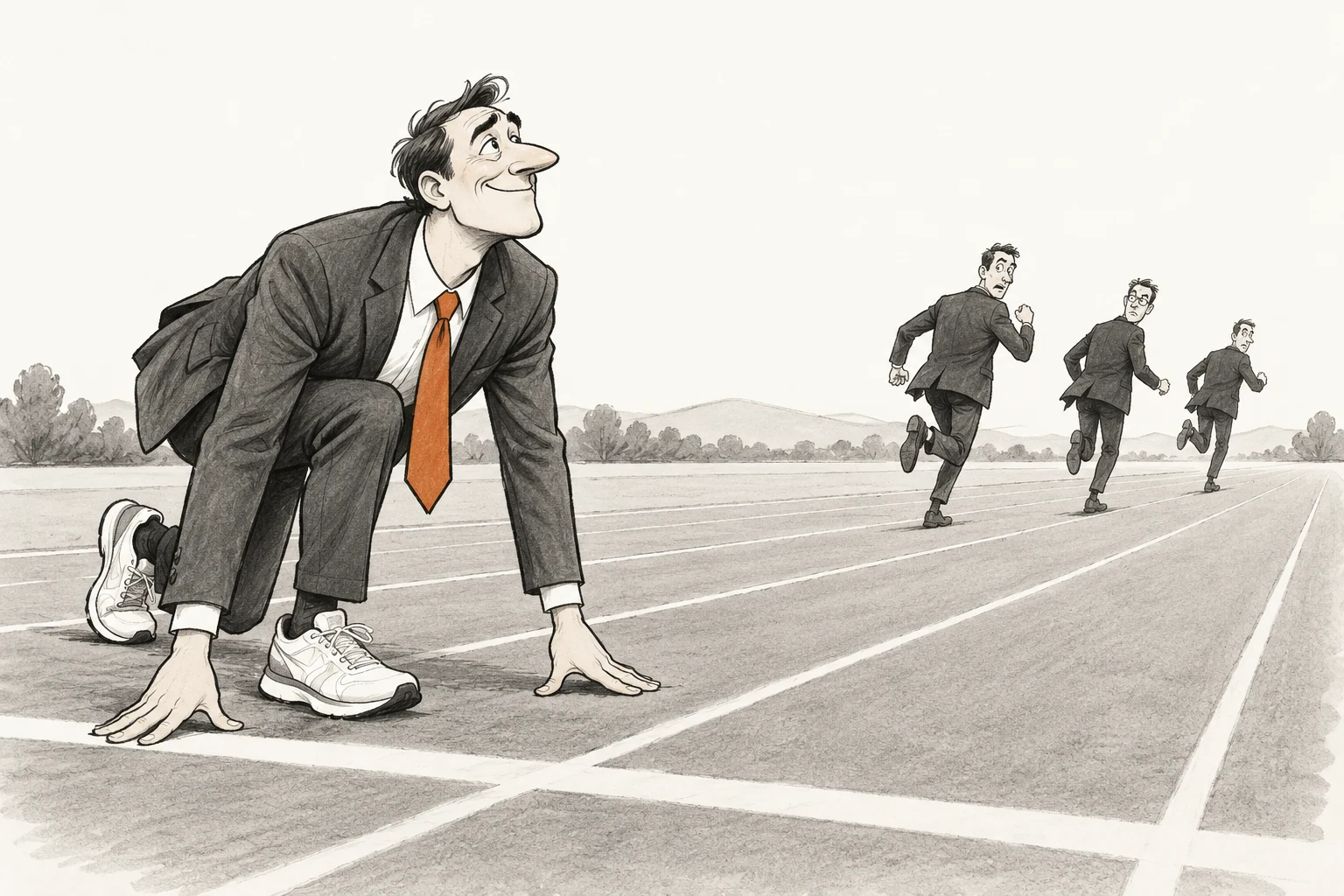
What if you understood the decision before the tender arrived?
A major purchase takes shape through business choices made before procurement. Earn a place in those conversations, and carry what you learn into the pursuit.
One question for Monday
What do we know about our biggest pursuit that is not in the tender?
Ask for the source, the person who confirmed it and the assumptions the team still needs to test.
A better-informed pursuit and an earlier view of whether it deserves investment. Selection remains the client’s decision.
Worked example
Worked example: An early signal. An open question.
A large enterprise has announced an operating-model review. Your team believes there may be a future transformation programme.
Fictional account. This illustrates the work and the judgement; it is not a live record or a client result.
- Source and context
- In this scenario, a strategy announcement confirms the review. It does not confirm a procurement timetable, budget or preferred delivery approach.
- Client decision
- Is this a problem your firm can help explore, and is there an appropriate route to the people evaluating the options?
- Prepared contribution
The team prepares two operating-model trade-offs and an evidence brief for the industry lead. The pursuit hypothesis is labelled unconfirmed.
Your review raises a choice we have seen elsewhere: standardise first, or change the service model first. We can share what each approach tends to demand.
- Human choice
- The industry lead rejects the assumption that a tender is imminent. The account partner confirms the permitted route and decides whether a contribution would be welcome.
- Next step
- Test the business problem through the agreed channel. Update the brief with confirmed learning and use it to inform the pursuit decision.
Your next move
Bring the decision worth getting right.
Bring the mandate you see forming, the stage it has reached and the commitment it could require. We will examine what you know, what is missing and which conversations could improve the decision.
A 30-minute discussion about the priority, the evidence you already have and the gaps worth investigating. We agree any further work with you.
One account can need all four. Start it, Climb it, Jump it, Hold it: we agree where the work should begin.